Crisis Leadership & Public Trust
A repeatable approach to high-stakes events—built for speed, accuracy, and credibility.
Across city government, state agencies, and public education, I’ve led crisis communication through events that disrupt daily life and demand immediate clarity. My role is consistent: align decision-makers, translate complex conditions into plain language, and deliver timely updates across every channel people actually use—while protecting credibility and reducing confusion.
Event types I’ve led crisis communications for:
Severe weather (snow/ice, hurricanes)
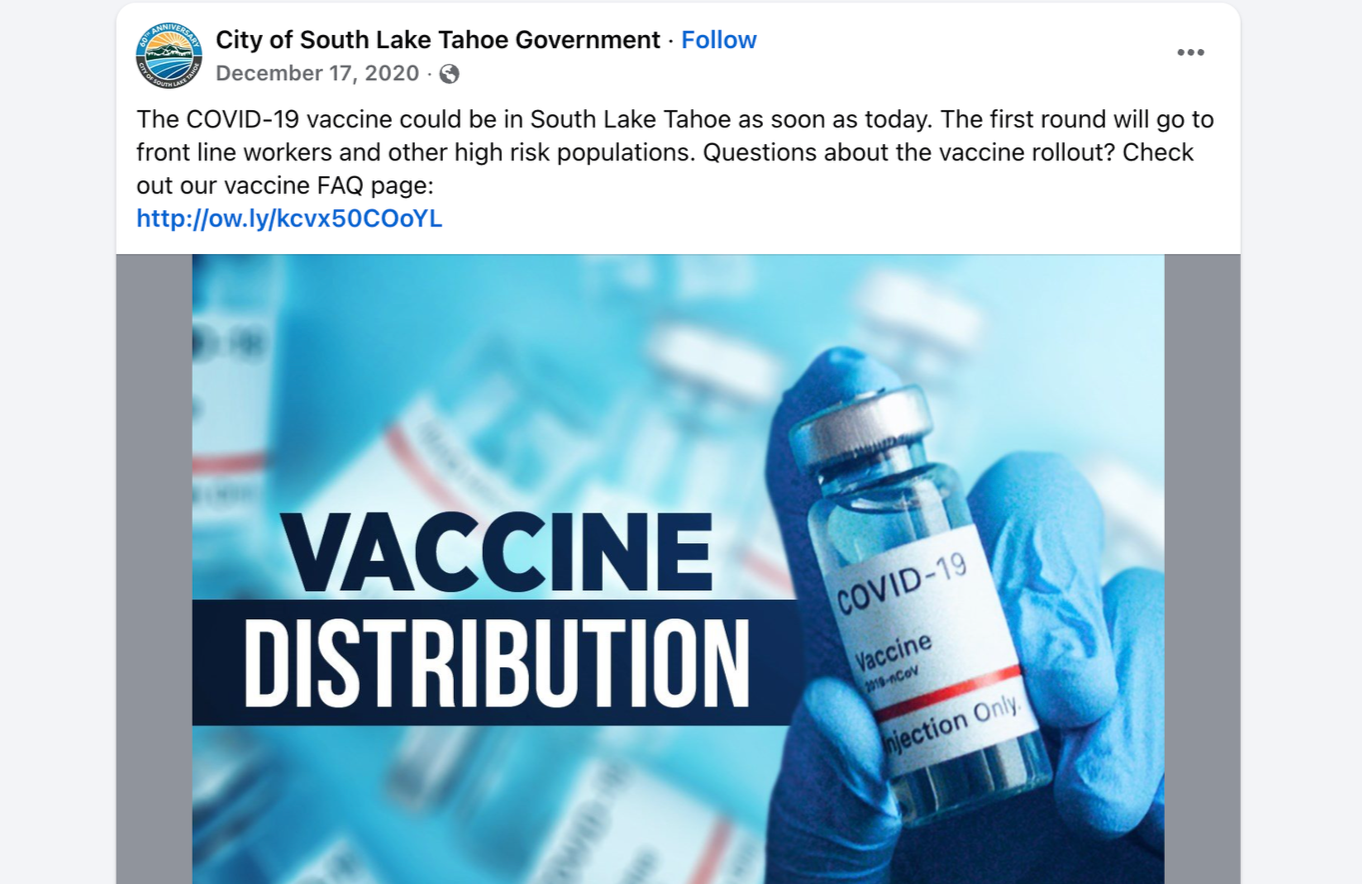
Public health emergencies (COVID-era operations)
Public safety incidents (high-risk, fast-moving situations)
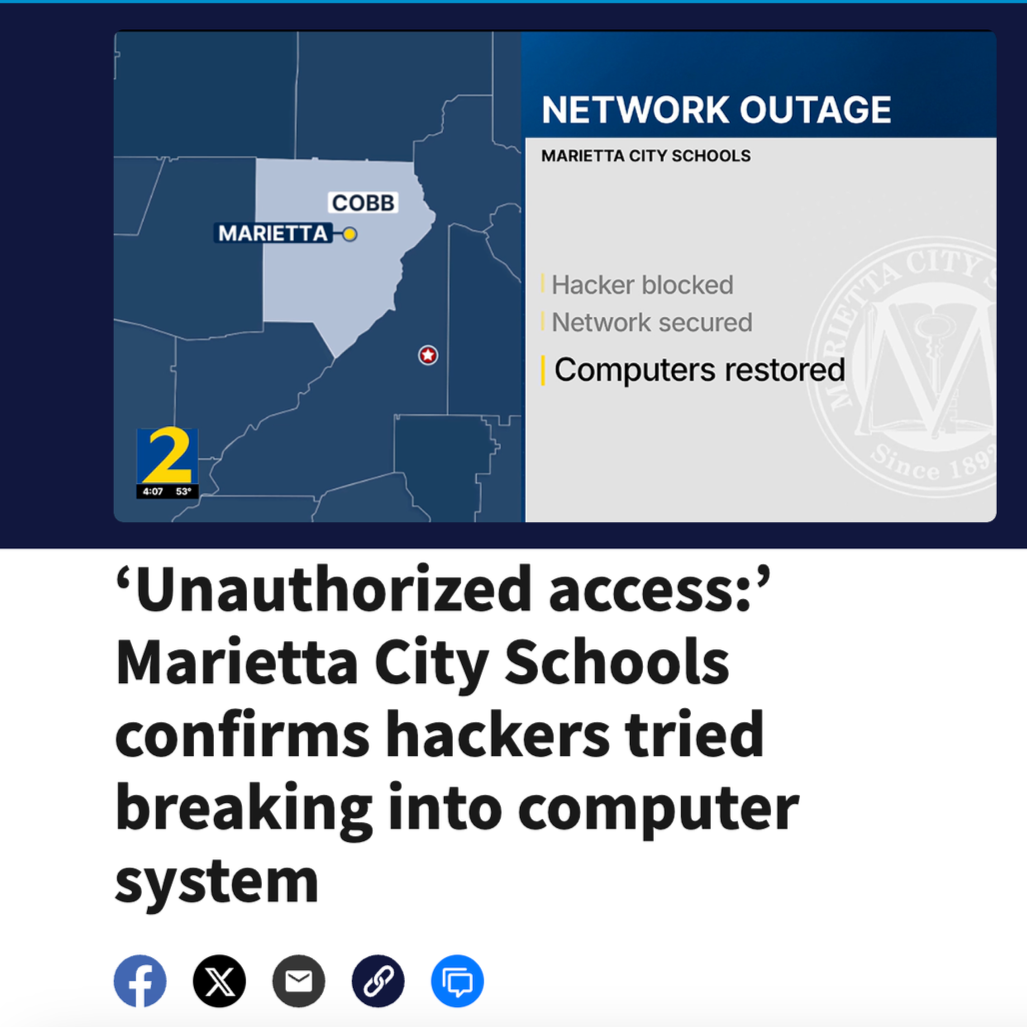
Cyber/data issues (data breach response)
Service disruption + operational continuity (including high-volume unemployment demand)
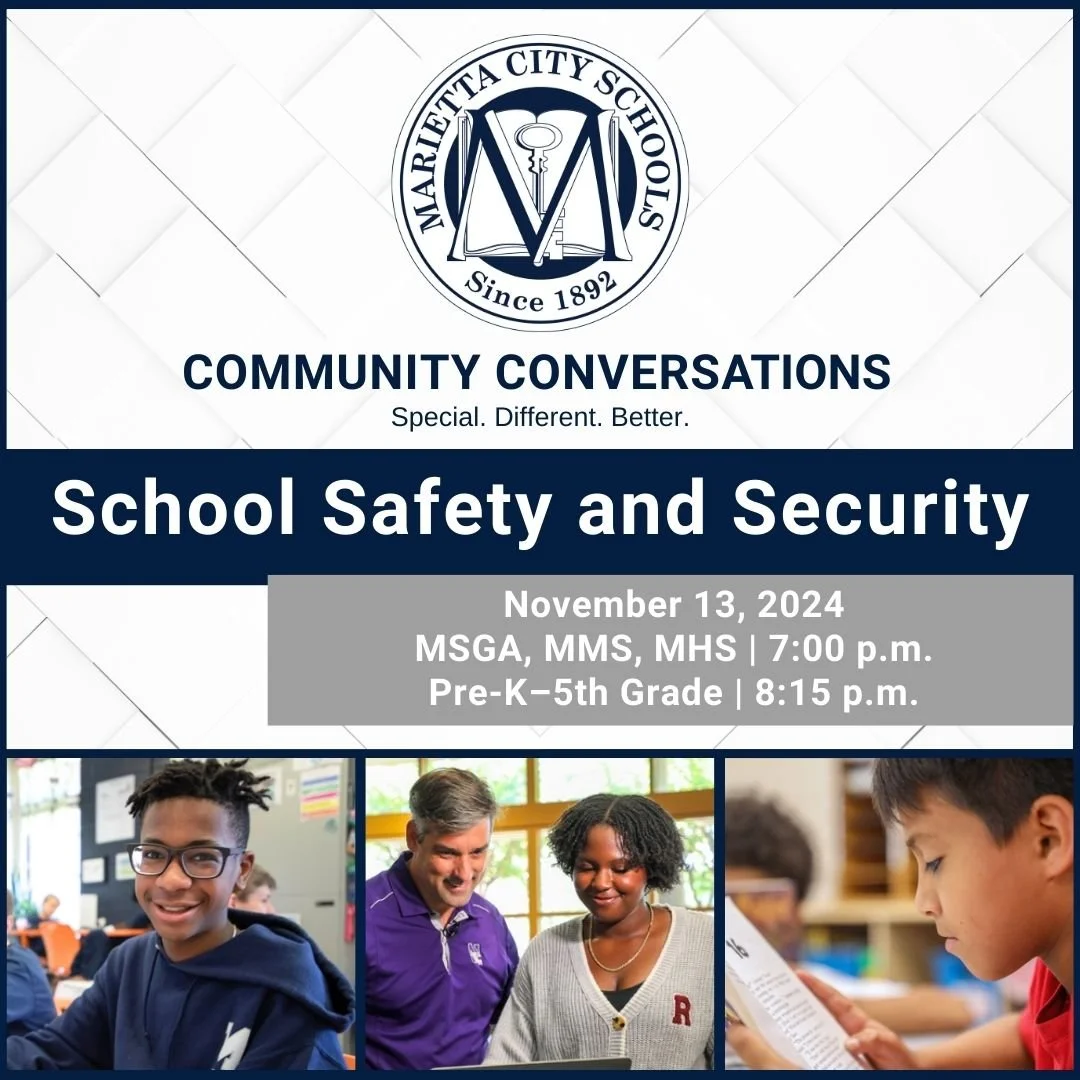
Student behavior + school safety (fast-moving incidents requiring precision and care)




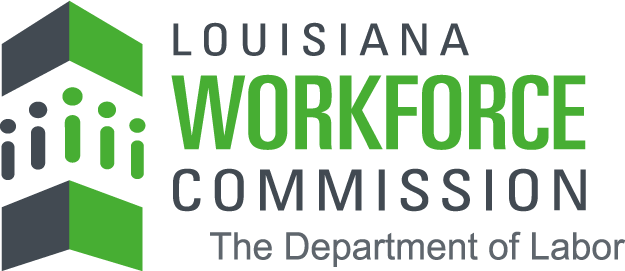

Organizations Served
Speed
Timely, actionable updates
Accuracy
Verified facts, plain language
Alignment
One message across leaders
Continuity
Clear operational impacts

The operating system
Crisis communication isn’t one message—it’s an operational discipline. I build a shared fact base, define decision triggers, coordinate across departments and partners, and publish on a predictable cadence. The goal is practical: help people take the right action quickly, without speculation or noise.
How I Lead in a Crisis
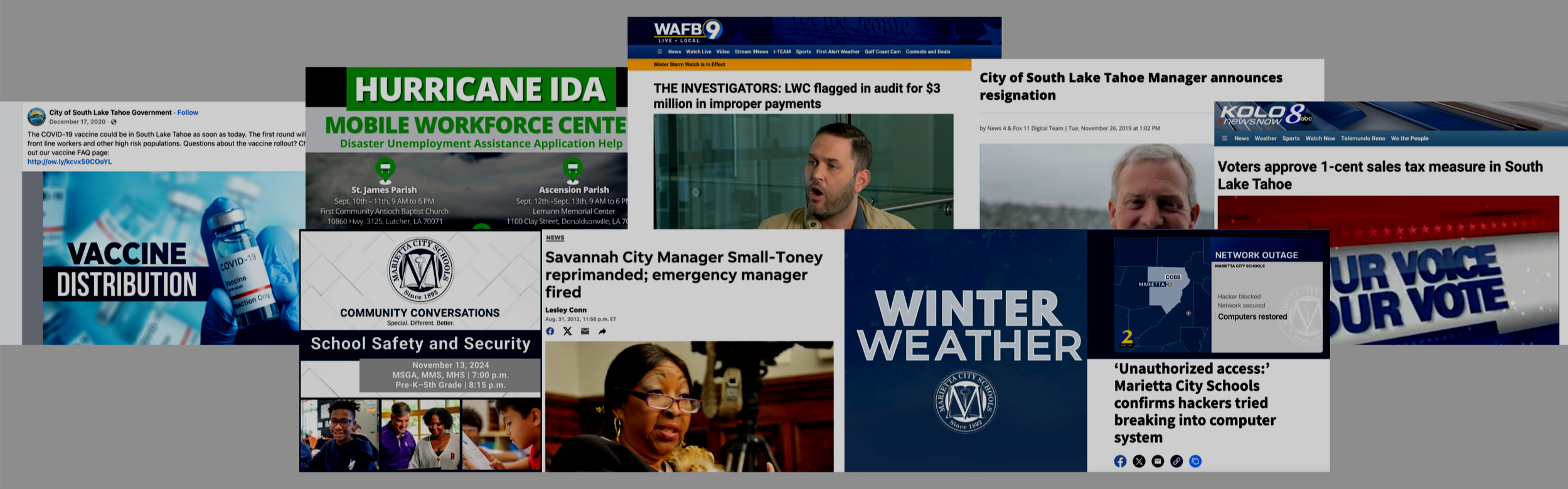
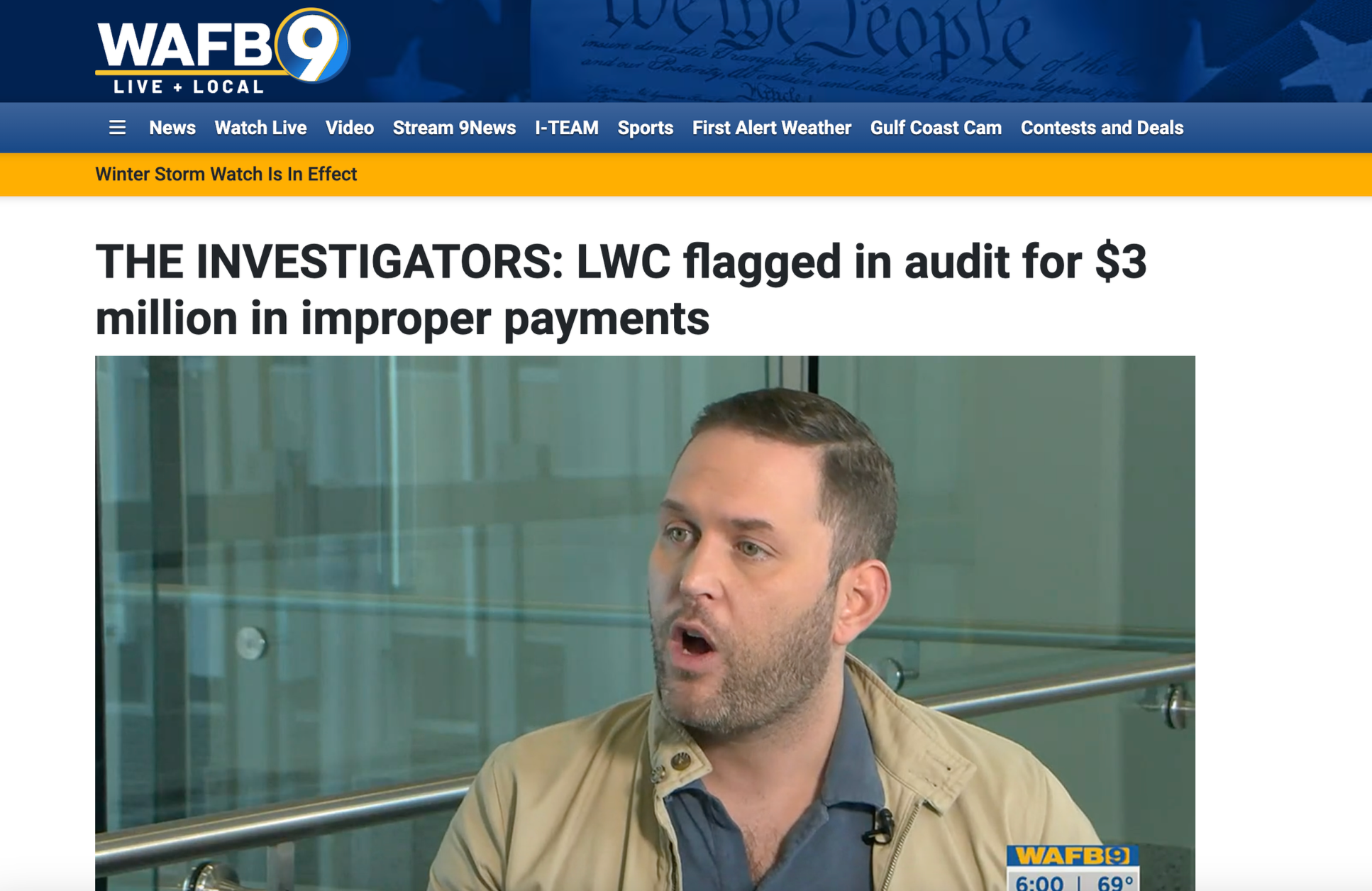
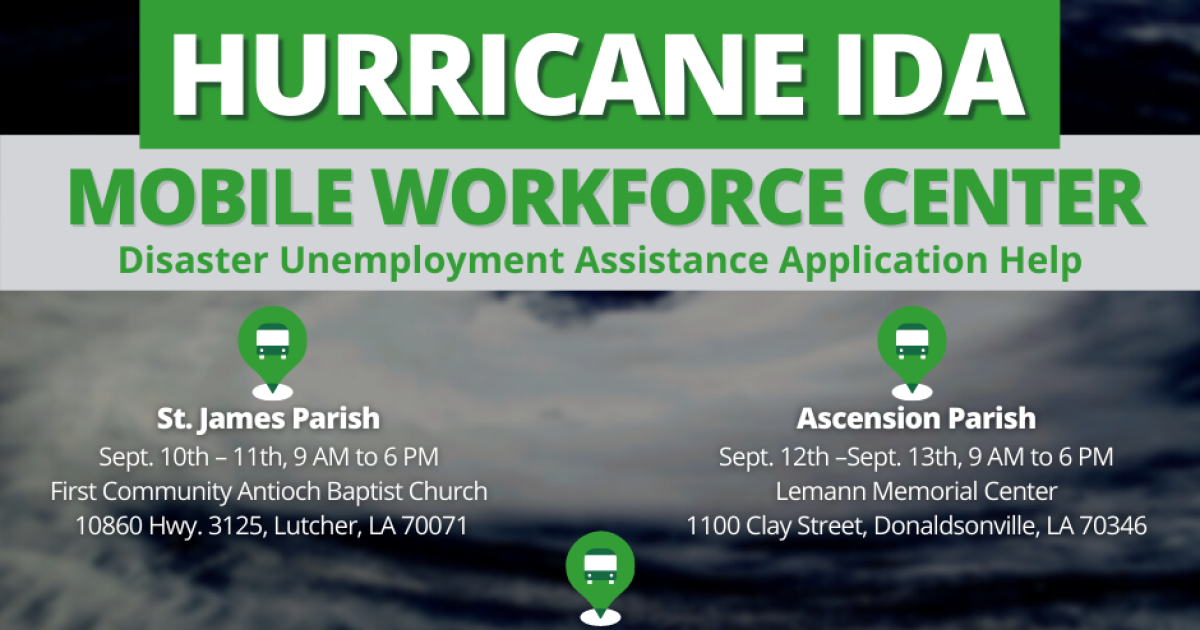


Incident clarity
Plain-language updates that reduce panic, rumor, and confusion—focused on what changed, what it means, and what to do next.
Cross-agency coordination
Aligned messaging with public safety, operations, legal, and leadership teams so communication matches real-time decisions.
Multi-channel execution
Fast publishing across internal and external channels—email, text, phone, web, social, and media—so no audience is left out.
Recovery + accountability
After-action review and refinement—updating language, timelines, and playbooks so the next response is faster, clearer, and more consistent.
Outcomes
Reduced confusion during fast-changing events by publishing clear timelines (when the next update is coming) and naming what was impacted—school schedules, services, transportation, activities, and staffing.
Protected credibility under scrutiny by separating confirmed facts from what was still being assessed, updating language as conditions changed, and avoiding speculation in high-emotion moments.
Improved leadership alignment by producing leader-ready briefs, scripts, and talking points so schools, departments, and partners communicated the same message—without competing versions.
Sustained continuity of operations by communicating what stays open, what closes, what shifts to alternate service, and what families/employees should do next.
Strengthened trust over time through consistent tone and follow-through—early heads-up messaging when possible, clear decisions when needed, and rapid clarification when rumors surfaced.
Delivered multi-channel reach without gaps by keeping email/text/phone/web/social/media synchronized—including accessibility and language considerations when needed.